What an AI Dispatcher Does on a Heat-Wave Tuesday: Inside HVAC Dispatch Software
A heat wave doesn't ease you in — it hits your HVAC board like a truck. Here's an hour-by-hour look at what real hvac dispatch software should be doing on the worst Tuesday of the summer, from triaging emergency calls to chasing the invoices nobody has time for.

It’s 34°C in the shade, humidex pushing 40, and your phone hasn’t stopped since 6:45 AM. Every call is the same three words: “no AC.” Some are legit no-cool emergencies. Some are a tripped breaker. All of them feel urgent to the person calling, and every single one is landing on you — while you’re already elbow-deep in a condenser at a job across town.
This is the Tuesday every HVAC shop in Ontario, Alberta, or the Maritimes knows by heart. The first real heat wave of the season doesn’t ease you in. It just arrives, and your board goes from “manageable” to “chaos” in about two hours. So the question worth asking isn’t whether you need hvac dispatch software — it’s what you actually need it to do when the calls hit like this.
We’re going to walk through an actual heat-wave Tuesday, hour by hour, and show what changes when an AI dispatcher — not just a scheduling app — is running your front desk and your board.
The Problem With Most HVAC Scheduling Software on a Bad Day
Here’s the thing nobody tells you when you buy hvac scheduling software: most of it is a really nice calendar. It’ll colour-code your techs, drag-and-drop a job, maybe even text the customer an on-my-way alert. Fine, on a normal Tuesday.
But a heat wave isn’t a normal Tuesday. It’s 60 calls instead of 15. It’s your best tech’s AC unit dying too, so now you’re short a truck. It’s three customers calling back because nobody told them they’re at position four in the queue. A calendar doesn’t triage. A calendar doesn’t answer the phone at 7:15 PM when you’re still finishing a rooftop unit and can’t pick up. A calendar definitely doesn’t figure out that the “no cool” call from the guy with a newborn should jump ahead of the “AC’s a little warm” call from the empty cottage.
That’s the gap between hvac scheduling software and an actual hvac dispatch app that thinks like dispatch staff — because on a heat-wave Tuesday, the bottleneck was never your calendar. It was always your phone.
7 AM: The Calls Start Before You’ve Had Coffee
Picture this: your first call comes in before you’ve even looked at the board. It’s a homeowner in a walk-up, AC dead overnight, two kids in the house. Normally that call either goes to voicemail because you’re already driving, or your admin — if you’re lucky enough to have one — scrambles to find a slot while three other lines light up behind it.
With Hero AI running your front desk, that call gets answered. Every time. Most small HVAC shops miss close to 40% of calls that come in after hours or during a rush — and on a day like this, “rush” starts at sunrise. Hero AI answers, asks the right triage questions (system dead vs. underperforming, breaker tripped vs. not, vulnerable occupants in the house), and books the job straight onto the schedule. No hold music. No “we’ll call you back.” The customer hangs up with a confirmed window, and you find out about it when you glance at your phone between jobs.
9 AM: Emergency Calls Start Stacking Up
By mid-morning the real emergencies are rolling in — not just “warm house” but compressor failures, frozen coils, systems that flat-out won’t kick on. This is where dispatch either earns its keep or falls apart.
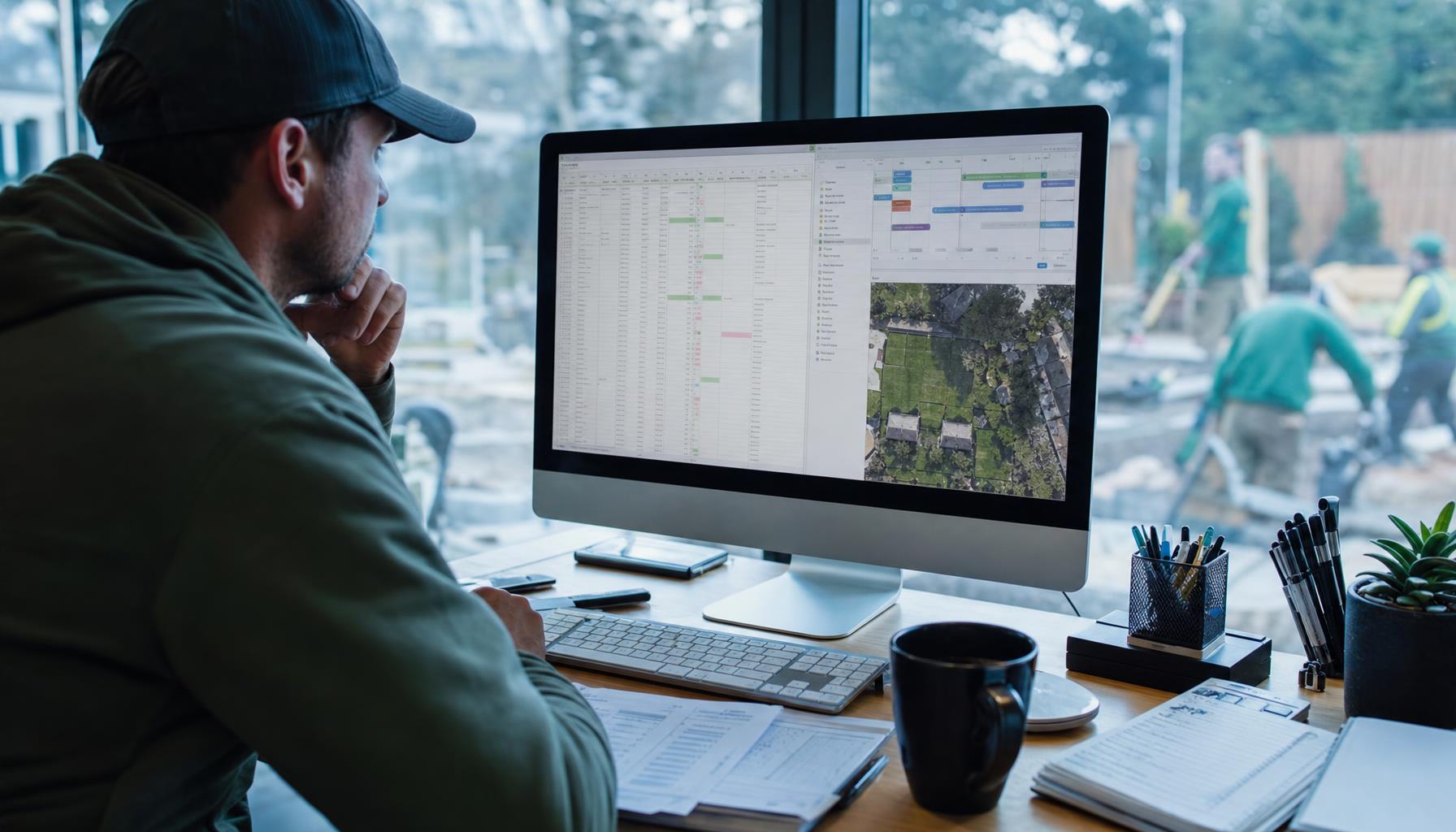
A real hvac dispatch software should be doing triage in real time: which calls are genuine no-cool emergencies that need a same-day slot, which are simple enough to push to tomorrow, and which tech is actually closest and free — not just “next in rotation.” Hero AI routes jobs based on live location and job type, which on a heat-wave day cuts real drive time by roughly 10-15%. That’s not a small thing when every extra 20 minutes on the road is a customer sitting in a 30-degree living room getting angrier by the minute.
And because the AI is doing the sorting, your board doesn’t double-book. No sending two techs to overlapping windows because someone typed the time wrong. No tech showing up to find the last one never left.
Noon: Your Techs Need Backup, Not More Ringing
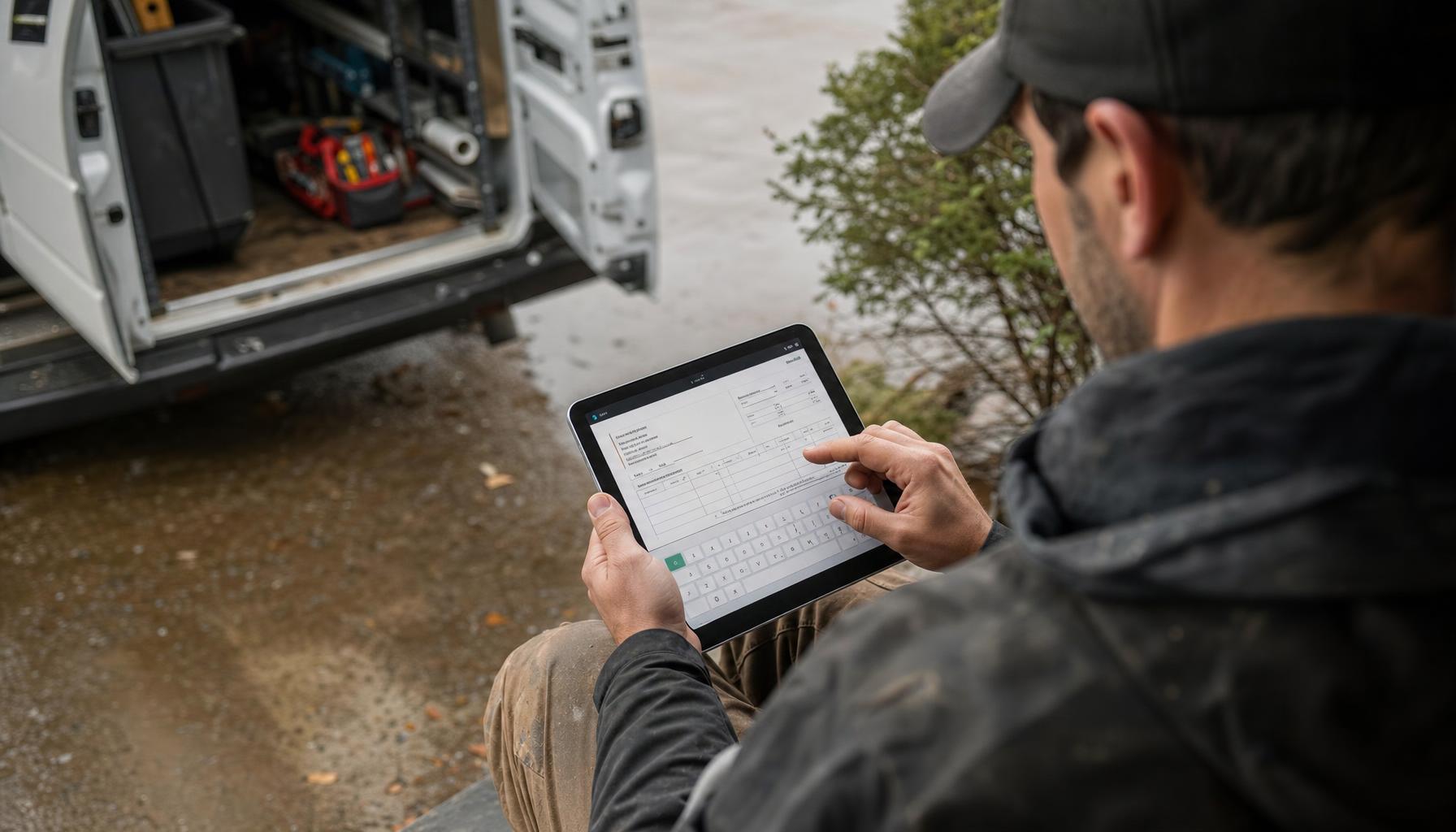
By lunch your techs are heads-down in attics and mechanical rooms, sweating through their shirts, and the last thing they need is you texting them “hey can you also swing by—” every twenty minutes. This is where dispatch smarter really matters: the day gets planned once, adjusted live as jobs run long or short, and your techs get their route pushed to them instead of a dispatcher playing whack-a-mole on the phone.
If a job runs over — and on a 35°C day, it always does — Hero AI re-sequences the rest of that tech’s day automatically, and lets the next customer know their window’s shifted, before they have to call and ask. That single move saves the “where is he” phone call that used to eat ten minutes of your afternoon, times six.
3 PM: The Estimate Nobody Has Time to Write
Somewhere in the middle of all this, a customer wants a quote — not a repair, a full system replacement, because their 18-year-old unit just gave up in the worst possible week. Normally that estimate sits in your inbox for three days because you’re buried. That’s how you lose the job to whoever calls back first.
Hero AI drafts a Good/Better/Best estimate from a quick voice note in under a minute — you describe the unit, the tonnage, what you’d recommend, and it turns that into a clean, professional quote the customer can approve from their phone before dinner. On a day where every competitor in your area is just as slammed, being first with a real number is often the whole ballgame.
7 PM: The Invoices You Were Never Going to Chase Tonight
By the time the sun’s going down, you’ve knocked out eight or nine jobs, your trucks smell like sweat and refrigerant, and the absolute last thing on your mind is following up on the invoice from three weeks ago that’s still sitting unpaid. Nobody chases receivables on a heat-wave night. That’s exactly why they pile up.
Hero AI chases overdue invoices in the background, reconciles what’s come in, and keeps your books from turning into a mystery by month-end. It also follows up with today’s customers to make sure the fix held — catching a callback before it turns into a one-star review, instead of finding out about a problem from a Google review three days later.
What This Actually Looks Like for a 5-to-15-Person Shop
You don’t need software built for a 200-truck landscape or snow-and-ice operation to get this. Contractors on the commercial landscape side sometimes look at platforms like Aspire or LMN, which are built for bigger crews juggling budgeting, estimating, and multi-crew scheduling at scale — solid tools for that world, but built for a different job than a small HVAC shop actually has. For an HVAC operation running a handful of trucks, what you actually need is dispatch that thinks, not a bigger version of the same calendar.
That’s the difference between hvac dispatch software that’s really just a shared calendar, and an AI teammate that answers the phone, triages the emergency, routes the truck, drafts the quote, and chases the payment — all without you hiring a full-time admin you can’t afford six months of the year and desperately need for the six weeks it’s 35°C outside.
We wrote more broadly about which tools are actually worth paying for in our guide to the best software for landscapers in Canada — a lot of the same logic applies to HVAC crews juggling a heat-wave board.
The Bottom Line for Heat-Wave Tuesdays
You can’t stop the heat wave. You can’t add a tech overnight. What you can control is whether every call gets answered, every job gets routed sensibly, every quote goes out same-day, and every invoice actually gets paid — without you being the one doing all four of those jobs at 9 PM after a 12-hour day in attics.
Hero AI starts at $24.99/month and you hire it by downloading the Hero365 app — no demo call, no per-seat pricing, no onboarding fee eating into a month you’re already stretched thin. Check the pricing and see what it’d take off your plate the next time the humidex hits 40 and your phone won’t stop ringing.
If missed after-hours calls are your biggest heat-wave leak, start there — see how we help you never miss another call.